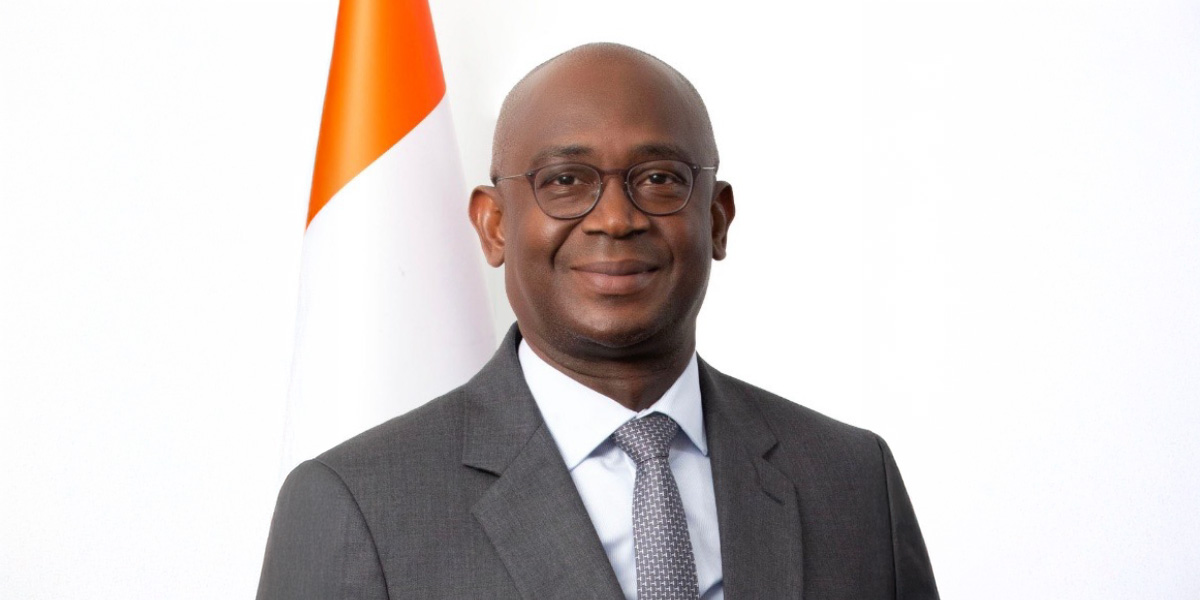
Ivory Coast’s Minister of Digital Transition and Technological Innovation believes stronger cooperation between Africa and Latin America and the Caribbean could unlock new opportunities for investment, innovation and digital inclusion. A former CEO of MTN, Djibril Ouattara brings extensive private-sector experience to government as his country seeks a seat on the International Telecommunication Union (ITU) Council for 2027–2030.
Africa and Latin America and the Caribbean share many of the same digital challenges: expanding connectivity, attracting infrastructure investment, developing technological capabilities and ensuring that innovation translates into economic opportunity. Yet despite their similarities, cooperation between these regions remains relatively limited. Ivory Coast wants to help change that.
At the center of this ambition is Djibril Ouattara, Ivory Coast’s Minister of Digital Transition and Technological Innovation, whose professional journey combines decades of private-sector leadership with an ambitious vision for public service. A former CEO of MTN Congo and MTN Ivory Coast and a graduate of MIT Sloan School of Management, Ouattara has extensive experience in telecommunications, infrastructure investment and digital transformation.
Appointed minister in January 2026, he is helping advance Ivory Coast’s strategy to become a leading African digital hub, with priorities spanning connectivity, artificial intelligence, digital government, cybersecurity and innovation. As Ivory Coast seeks election to the ITU Council for the 2027–2030 term, Ouattara sees an opportunity to strengthen cooperation with Latin American and Caribbean countries and contribute to a more inclusive global digital agenda.
In this interview with the Center for Latin American Convergence (CCLATAM), he discusses how the two regions could work more closely together and why digital technology may offer a new foundation for their relationship.
1. Minister, you bring an unusual combination of experience to public office, having served as CEO of major telecommunications companies before joining the government. How does this background shape your vision for Ivory Coast’s digital future?
My experience in the private sector taught me that digital transformation requires more than ambition. It requires investment, execution and measurable results. Having spent much of my career in telecommunications, I understand the importance of building infrastructure, creating the right conditions for investment and ensuring that technology delivers real benefits to citizens and businesses.
Today, under President Alassane Ouattara’s leadership, our ambition is to make Ivory Coast a leading digital economy in Africa. We are advancing an ambitious strategy focused on connectivity, digital public services, artificial intelligence, cybersecurity, innovation and digital skills. Our goal is not simply to adopt new technologies, but to use them to strengthen economic competitiveness, create opportunities for our young people and attract international investment.
I believe Ivory Coast can become both a regional digital hub and an active contributor to international technological cooperation.
2. Africa and Latin America and the Caribbean share many economic and technological challenges, yet cooperation between the two regions remains relatively limited. Why do you believe the time has come to build a stronger digital partnership?
I believe Africa and Latin America and the Caribbean have enormous potential to develop a much stronger relationship. Our regions share important characteristics: dynamic populations, growing digital markets, innovative entrepreneurs and a strong need to accelerate technological development.
We also face similar challenges in expanding connectivity, mobilizing investment, developing digital skills and ensuring that technology benefits all citizens. But beyond these common challenges, there are significant opportunities.
Latin America has developed valuable expertise in digital government, financial technology, telecommunications regulation and innovation. Africa has demonstrated remarkable capabilities in mobile financial services, digital inclusion and technology solutions adapted to emerging markets.
We should be learning more from each other.
I believe the time has come to move beyond occasional exchanges toward structured cooperation involving governments, regulators, businesses, investors and innovation ecosystems. Digital transformation can become a powerful bridge between our regions, creating economic opportunities and strengthening our influence in the global digital economy.
3. Ivory Coast has become an important economic hub in West Africa. Could Abidjan play a leading role in connecting African and Latin American digital ecosystems? What concrete opportunities do you see for cooperation and investment?
Absolutely. Ivory Coast’s economic dynamism, strategic position in West Africa and growing digital ambitions provide a strong foundation for international partnerships. I see significant opportunities to develop closer relationships with Latin American and Caribbean countries.
We could encourage cooperation between telecommunications operators, regulators, technology companies and financial institutions, particularly in infrastructure investment, digital payments, cybersecurity and artificial intelligence.
There is also considerable potential for partnerships between startups, universities and innovation centers.
Importantly, this cooperation should be reciprocal. Africa has valuable experiences to share, just as we can learn from Latin America’s progress in digital public services, financial inclusion and technological innovation.
I would like to see more exchanges of expertise, more business partnerships and greater investment flows between our regions. Ivory Coast could serve as a platform for these connections, helping translate shared interests into practical initiatives and long-term relationships.
4. Ivory Coast is seeking election to the ITU Council for the 2027–2030 term. How could this role help strengthen cooperation between Africa and Latin America and the Caribbean, and what contribution would Ivory Coast bring to the international digital agenda?
Our candidacy reflects Ivory Coast’s commitment to multilateral cooperation and our determination to contribute constructively to international telecommunications governance.
We believe that developing and emerging economies have an important perspective to offer, particularly regarding connectivity, infrastructure investment, digital inclusion and innovation. Africa and Latin America and the Caribbean share many priorities in these areas.
If elected, Ivory Coast would seek to contribute actively to the ITU’s work while encouraging dialogue and cooperation among Member States from different regions.
I see opportunities to strengthen exchanges of experience, support technical cooperation and identify common approaches to challenges such as affordable connectivity, cybersecurity, digital skills and emerging technologies.
My experience in the telecommunications industry has reinforced my conviction that effective digital policies must combine ambition with an understanding of investment realities and practical implementation.
Ivory Coast would bring this perspective, together with a commitment to dialogue, partnership and the collective objectives of the ITU. Our ambition is to contribute to an international digital environment in which every region can participate meaningfully and benefit from technological progress.
5. At CCLATAM, we are working to strengthen international cooperation through initiatives such as the Digital Latam Summit in Madrid. Would you support the creation of a structured Africa–Latin America and Caribbean Digital Dialogue, with Ivory Coast playing a leading role?
I believe this is a promising initiative that deserves serious consideration. One of the challenges in international digital cooperation is moving beyond broad declarations toward concrete projects and sustained partnerships.
An Africa–Latin America and Caribbean Digital Dialogue could help bring together policymakers, regulators, telecommunications companies, investors and technology innovators around shared priorities.
I would see particular value in focusing on connectivity, infrastructure investment, digital public services, artificial intelligence and the development of digital skills.
Platforms such as the Digital Latam Summit can offer an important opportunity to initiate these exchanges and identify partners interested in developing a longer-term cooperation agenda.
Ivory Coast would be interested in exploring how it could contribute to such an initiative, potentially serving as a bridge between West Africa and Latin America and the Caribbean.
Ultimately, our objective should be to create opportunities for businesses, strengthen technological capabilities and deliver real benefits to our citizens.
6. Finally, what message would you like to send to Latin American and Caribbean governments, businesses and young entrepreneurs about the importance of building stronger partnerships with Africa?
My message is simple: we have much to gain by working more closely together.
Africa and Latin America and the Caribbean are among the regions with the greatest potential to benefit from the ongoing digital transformation.
We have talented young people, dynamic entrepreneurs, expanding markets and a shared ambition to build more innovative and inclusive economies.
We should not allow geographic distance to limit our cooperation.
Technology gives us unprecedented opportunities to exchange knowledge, develop partnerships, attract investment and create new businesses.
Ivory Coast is committed to playing an active role in this process.
We want to strengthen our relationships with international partners, share our experiences and work together to ensure that digital transformation becomes a source of prosperity for our societies.
The future of the digital economy should not be shaped by a few countries or regions alone. Africa, Latin America and the Caribbean have an important role to play — and I believe we can achieve much more by working together.
Entrevista de Karim Lesin con Djibril Ouattara: «África y América Latina tienen un futuro digital que construir juntas»
El ministro de Transición Digital e Innovación Tecnológica de Costa de Marfil considera que una mayor cooperación entre África y América Latina y el Caribe podría abrir nuevas oportunidades de inversión, innovación e inclusión digital. Exdirector general de MTN, Djibril Ouattara aporta al Gobierno una amplia experiencia en el sector privado, mientras su país aspira a un puesto en el Consejo de la Unión Internacional de Telecomunicaciones (UIT) para el período 2027–2030.
África y América Latina y el Caribe comparten muchos de los mismos desafíos digitales: ampliar la conectividad, atraer inversiones en infraestructura, desarrollar capacidades tecnológicas y garantizar que la innovación se traduzca en oportunidades económicas. Sin embargo, pese a estas similitudes, la cooperación entre ambas regiones sigue siendo relativamente limitada. Costa de Marfil quiere contribuir a cambiar esta situación.
En el centro de esta aspiración se encuentra Djibril Ouattara, ministro de Transición Digital e Innovación Tecnológica de Costa de Marfil, cuya trayectoria combina décadas de liderazgo en el sector privado con una ambiciosa visión del servicio público. Exdirector general de MTN Congo y MTN Costa de Marfil y graduado de la MIT Sloan School of Management, Ouattara cuenta con una amplia experiencia en telecomunicaciones, inversión en infraestructura y transformación digital.
Nombrado ministro en enero de 2026, impulsa la estrategia de Costa de Marfil para convertirse en un referente digital en África, con prioridades que abarcan la conectividad, la inteligencia artificial, el gobierno digital, la ciberseguridad y la innovación. En el marco de la candidatura de Costa de Marfil al Consejo de la UIT para el período 2027–2030, Ouattara ve una oportunidad para reforzar la cooperación con los países latinoamericanos y caribeños y contribuir a una agenda digital mundial más inclusiva.
En esta entrevista con el Centro de Convergencia Latinoamericano (CCLATAM), analiza cómo ambas regiones podrían trabajar más estrechamente y por qué la tecnología digital puede ofrecer una nueva base para su relación.
1. Ministro, usted aporta una combinación poco habitual de experiencias a la función pública, tras haber dirigido importantes empresas de telecomunicaciones antes de incorporarse al Gobierno. ¿Cómo influye esta trayectoria en su visión del futuro digital de Costa de Marfil?
Mi experiencia en el sector privado me enseñó que la transformación digital requiere algo más que ambición. Exige inversión, capacidad de ejecución y resultados medibles. Después de haber dedicado gran parte de mi carrera a las telecomunicaciones, comprendo la importancia de construir infraestructura, crear las condiciones adecuadas para la inversión y garantizar que la tecnología aporte beneficios reales a los ciudadanos y a las empresas.
Hoy, bajo el liderazgo del presidente Alassane Ouattara, nuestra aspiración es convertir a Costa de Marfil en una de las principales economías digitales de África. Estamos impulsando una estrategia ambiciosa centrada en la conectividad, los servicios públicos digitales, la inteligencia artificial, la ciberseguridad, la innovación y las competencias digitales. Nuestro objetivo no es simplemente adoptar nuevas tecnologías, sino utilizarlas para fortalecer la competitividad económica, crear oportunidades para nuestros jóvenes y atraer inversión internacional.
Creo que Costa de Marfil puede convertirse tanto en un polo digital regional como en un actor activo de la cooperación tecnológica internacional.
2. África y América Latina y el Caribe comparten numerosos desafíos económicos y tecnológicos, pero la cooperación entre ambas regiones sigue siendo relativamente limitada. ¿Por qué considera que ha llegado el momento de construir una alianza digital más sólida?
Creo que África y América Latina y el Caribe tienen un enorme potencial para desarrollar una relación mucho más estrecha. Nuestras regiones comparten características importantes: poblaciones dinámicas, mercados digitales en crecimiento, emprendedores innovadores y una gran necesidad de acelerar el desarrollo tecnológico.
También enfrentamos desafíos similares para ampliar la conectividad, movilizar inversiones, desarrollar competencias digitales y garantizar que la tecnología beneficie a todos los ciudadanos. Pero, más allá de estos retos comunes, existen oportunidades significativas.
América Latina ha desarrollado una valiosa experiencia en gobierno digital, tecnología financiera, regulación de las telecomunicaciones e innovación. África ha demostrado capacidades destacadas en servicios financieros móviles, inclusión digital y soluciones tecnológicas adaptadas a los mercados emergentes.
Deberíamos aprender más unos de otros.
Creo que ha llegado el momento de pasar de los intercambios ocasionales a una cooperación estructurada que involucre a gobiernos, reguladores, empresas, inversores y ecosistemas de innovación. La transformación digital puede convertirse en un poderoso puente entre nuestras regiones, creando oportunidades económicas y reforzando nuestra influencia en la economía digital mundial.
3. Costa de Marfil se ha convertido en un importante centro económico de África Occidental. ¿Podría Abiyán desempeñar un papel destacado en la conexión de los ecosistemas digitales africanos y latinoamericanos? ¿Qué oportunidades concretas identifica para la cooperación y la inversión?
Sin duda. El dinamismo económico de Costa de Marfil, su posición estratégica en África Occidental y sus crecientes aspiraciones digitales ofrecen una base sólida para establecer alianzas internacionales. Veo grandes oportunidades para desarrollar relaciones más estrechas con los países de América Latina y el Caribe.
Podríamos fomentar la cooperación entre operadores de telecomunicaciones, reguladores, empresas tecnológicas e instituciones financieras, especialmente en inversión en infraestructura, pagos digitales, ciberseguridad e inteligencia artificial.
También existe un potencial considerable para establecer alianzas entre empresas emergentes, universidades y centros de innovación.
Esta cooperación debe ser recíproca. África tiene experiencias valiosas que compartir, del mismo modo que podemos aprender de los avances de América Latina en servicios públicos digitales, inclusión financiera e innovación tecnológica.
Me gustaría ver más intercambios de conocimientos, más alianzas empresariales y mayores flujos de inversión entre nuestras regiones. Costa de Marfil podría servir como plataforma para estas conexiones, ayudando a traducir los intereses compartidos en iniciativas concretas y relaciones a largo plazo.
4. Costa de Marfil aspira a ser elegida miembro del Consejo de la UIT para el período 2027–2030. ¿Cómo podría este papel contribuir a reforzar la cooperación entre África y América Latina y el Caribe, y qué aportaría Costa de Marfil a la agenda digital internacional?
Nuestra candidatura refleja el compromiso de Costa de Marfil con la cooperación multilateral y nuestra determinación de contribuir de forma constructiva a la gobernanza internacional de las telecomunicaciones.
Creemos que las economías en desarrollo y emergentes tienen una perspectiva importante que aportar, especialmente en materia de conectividad, inversión en infraestructura, inclusión digital e innovación. África y América Latina y el Caribe comparten numerosas prioridades en estos ámbitos.
De resultar elegida, Costa de Marfil buscaría contribuir activamente al trabajo de la UIT, al tiempo que promovería el diálogo y la cooperación entre los Estados miembros de distintas regiones.
Veo oportunidades para reforzar el intercambio de experiencias, apoyar la cooperación técnica e identificar enfoques comunes frente a desafíos como la conectividad asequible, la ciberseguridad, las competencias digitales y las tecnologías emergentes.
Mi experiencia en la industria de las telecomunicaciones ha reforzado mi convicción de que las políticas digitales eficaces deben combinar la ambición con una comprensión de las realidades de la inversión y de su aplicación práctica.
Costa de Marfil aportaría esta perspectiva, junto con un compromiso con el diálogo, las alianzas y los objetivos colectivos de la UIT. Nuestra aspiración es contribuir a un entorno digital internacional en el que todas las regiones puedan participar de manera significativa y beneficiarse del progreso tecnológico.
5. En CCLATAM trabajamos para fortalecer la cooperación internacional mediante iniciativas como el Digital Latam Summit de Madrid. ¿Apoyaría la creación de un Diálogo Digital África–América Latina y el Caribe, de carácter estructurado y con un papel destacado de Costa de Marfil?
Creo que es una iniciativa prometedora que merece una seria consideración. Uno de los desafíos de la cooperación digital internacional es pasar de las declaraciones generales a proyectos concretos y alianzas duraderas.
Un Diálogo Digital África–América Latina y el Caribe podría ayudar a reunir a responsables de políticas públicas, reguladores, empresas de telecomunicaciones, inversores e innovadores tecnológicos en torno a prioridades compartidas.
Consideraría especialmente valioso centrarnos en la conectividad, la inversión en infraestructura, los servicios públicos digitales, la inteligencia artificial y el desarrollo de competencias digitales.
Plataformas como el Digital Latam Summit pueden ofrecer una importante oportunidad para iniciar estos intercambios e identificar socios interesados en desarrollar una agenda de cooperación a largo plazo.
Costa de Marfil tendría interés en explorar cómo podría contribuir a una iniciativa de este tipo, con la posibilidad de servir de puente entre África Occidental y América Latina y el Caribe.
En última instancia, nuestro objetivo debe ser crear oportunidades para las empresas, fortalecer las capacidades tecnológicas y generar beneficios reales para nuestros ciudadanos.
6. Por último, ¿qué mensaje le gustaría transmitir a los gobiernos, las empresas y los jóvenes emprendedores de América Latina y el Caribe sobre la importancia de construir alianzas más sólidas con África?
Mi mensaje es sencillo: tenemos mucho que ganar si trabajamos más estrechamente.
África y América Latina y el Caribe se encuentran entre las regiones con mayor potencial para beneficiarse de la transformación digital en curso.
Contamos con jóvenes talentosos, emprendedores dinámicos, mercados en expansión y una aspiración compartida de construir economías más innovadoras e inclusivas.
No debemos permitir que la distancia geográfica limite nuestra cooperación.
La tecnología nos brinda oportunidades sin precedentes para intercambiar conocimientos, desarrollar alianzas, atraer inversiones y crear nuevas empresas.
Costa de Marfil está comprometida con desempeñar un papel activo en este proceso.
Queremos fortalecer nuestras relaciones con socios internacionales, compartir nuestras experiencias y trabajar juntos para garantizar que la transformación digital se convierta en una fuente de prosperidad para nuestras sociedades.
El futuro de la economía digital no debe ser definido únicamente por unos pocos países o regiones. África, América Latina y el Caribe tienen un papel importante que desempeñar, y creo que podemos lograr mucho más si trabajamos juntos.